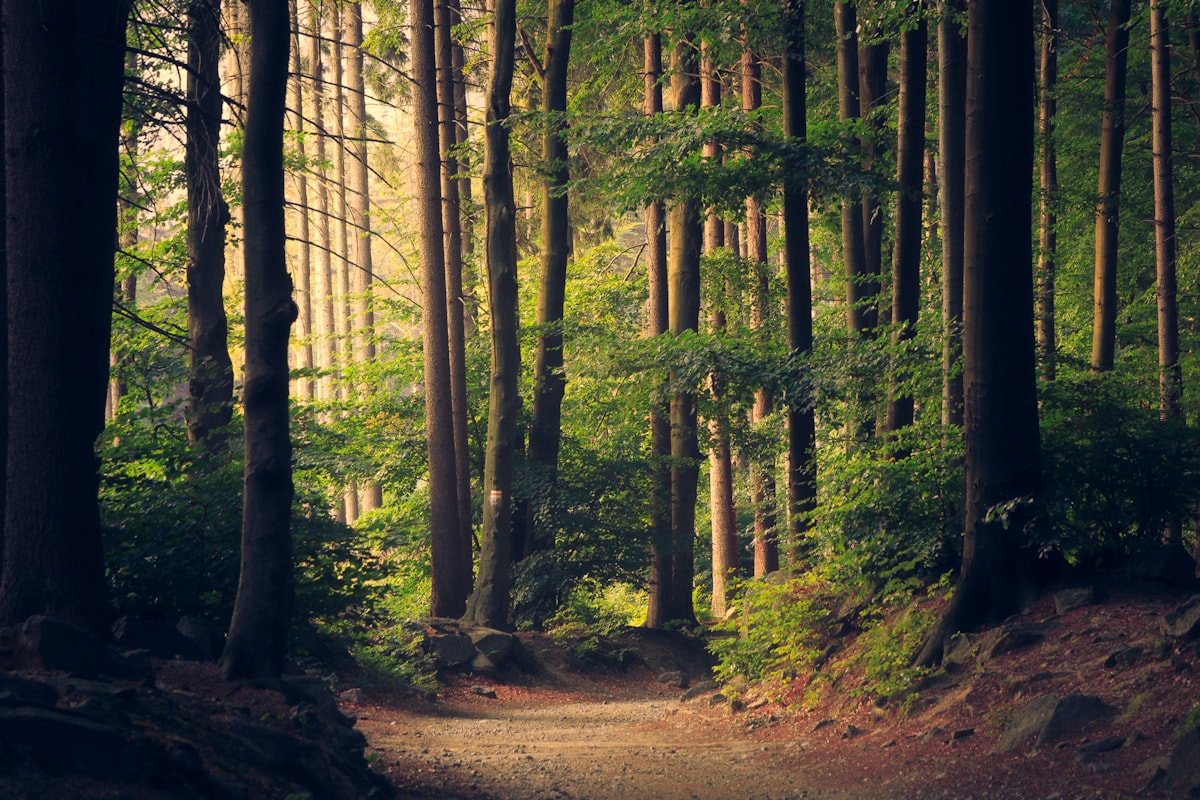
Every estate has a green corridor — the seam planners leave between blocks so air and gossip can circulate. Ours runs behind Block 88 like a secret passage for people who dislike main roads. I walk it evenings when the sun has given up and the mynahs hold committee meetings in the rain tree. The corridor has rules. None are posted. All are enforced by looks.
Rule one: joggers yield to elders. This is not written in any fitness blog, but it is understood with the force of ancestral instruction. When Uncle Lim appears with his plastic bag of marketing flyers he collects for recycling, runners slide left without breaking stride — respect expressed as choreography. I am not jogging. I am loitering with purpose, which the corridor accepts as a valid mode of transport.
Rule two: dogs on short leashes, minds on long horizons. The corridor is narrow; courtesy is measured in centimetres. A terrier named after a dessert pulls toward a bush; the owner apologises to the bush, the dog, and passers-by in one breath. I pat the dog, stain my hand with evening dust, continue. The corridor collects these small contracts between strangers.
Rule three: headphones at a volume that admits birds. I break this rule sometimes and pay with guilt when a cyclist bells behind me. Soundscape matters here. The corridor is where the city remembers it has leaves. Traffic hum filters through as bass line; closer, someone practices recorder badly three floors up — brave, persistent, off-key.
Rule four — my favourite — is unspoken reciprocity: if you pass the same person thrice in a week, you nod. Not chat, not yet. Just nod. By the fourth pass you may comment on weather. By the fifth you may know their grandchild's school without knowing their surname. The corridor builds society in increments of fifty metres.
Tonight the air smells like someone cooking soup two blocks away. The corridor darkens in sections where lamps are burnt out and residents have learned which pockets to avoid without formal complaint. I think about how public space is maintained by complaint when it fails and by silence when it works. We notice the broken lamp; we rarely notice the hundred functioning ones.
At the far end the corridor opens to a slope I associate with primary school shortcuts and teenage loitering — different decades, same geography. I turn back rather than descend. Return journeys are underrated in writing; they are where reflection lives. The nodding uncle is absent tonight. The recorder student persists. I add a line to my notebook about etiquette being love disguised as traffic management, and I mean it more than I expected.
On the return pass I meet the corridor cat — grey, opinionated, owner of the bush near the drain. It permits one photograph, no flash. Residents have built a tiny rain shelter from a plastic chair and a tile scrap; the cat accepts this tribute without signing receipts. We coexist: it hunts pigeons with ambition; I hunt sentences with mixed results. Neither of us blocks the path. Rule five, unwritten: do not disturb the cat parliament.
By the time I reach Block 88 the corridor has emptied except for a jogger whose footsteps sound like punctuation marks finishing the day. I wash my hands, hang my keys, listen for the lift. The green corridor resets overnight — leaves swept, occasional discarded flyer, same invisible rules reactivated at dawn. I am glad it exists. Cities need seams where nobody sells you anything, where the only transaction is a nod and the only currency is paying attention.